

How to manage a contract: guide for SMEs

Introduction
Managing a contract effectively means maintaining ongoing oversight of active agreements to track obligations, monitor deadlines, and coordinate stakeholder responsibilities from signature through renewal or termination. For small and medium-sized enterprises, effective contract management protects business value while ensuring all parties involved meet their contractual obligations without costly oversights.
Contract management differs fundamentally from contract creation or legal drafting—it focuses on the continuous administration of existing legal agreements to minimize risk, capture value, and maintain compliance throughout the entire lifecycle.
What This Guide Covers
This guide to contract management provides practical contract management tactics for ongoing administration, including systematic tracking of critical dates, obligation management, risk monitoring, and stakeholder coordination. We focus on management processes rather than contract negotiation or initial contract creation, making this a comprehensive resource for SMEs and startups looking to improve their contract oversight.
Who This Is For
This guide is designed for small and medium-sized enterprises, startups, contract managers, and business owners managing vendor agreements, service contracts, and partnership deals. Whether you’re handling dozens of contracts manually or scaling to manage hundreds of agreements, you’ll find actionable strategies to streamline your contract management process.
Why This Matters
Poor contract management leads to missed renewal opportunities, compliance failures, and unexpected financial losses that can significantly impact cash flow and business relationships. Good contract management means effective oversight and analysis of contracts throughout their lifecycle, which is essential for successful contract outcomes, profitability, and risk minimization. Proper contract administration protects business value and ensures contractual obligations are met consistently.
Contract management is essential for any business that wants to protect its assets, prevent lost revenue, mitigate risk, and comply with regulatory requirements.
What You’ll Learn:
-
Essential aspects to monitor in any contract throughout its lifecycle
-
How to track dates, obligations, and risks systematically using modern tools
-
Internal and external stakeholder identification and coordination strategies
-
Automation tools and integrations that streamline contract management workflows
Understanding Contract Management Fundamentals
Contract management is the ongoing oversight of active contracts to ensure compliance, minimize risks, and maximize value throughout the entire lifecycle of legal agreements. This systematic approach transforms contracts from static documents into actively managed business assets that drive performance and protect interests. Developing standard templates and clause libraries is a key best practice, as it ensures consistency and reduces risk across all managed contracts.
The job role of a contract manager involves responsibilities such as monitoring contract performance, ensuring compliance, managing renewals, and mitigating risks, making it essential to understand the scope and duties associated with this position.
Contract management is important for SMEs because it prevents human error, reduces legal risk, and eliminates the time consuming manual processes that often lead to missed opportunities and compliance failures. Unlike contract creation, which focuses on drafting and negotiation, contract management emphasizes continuous monitoring and administration of existing agreements.
What Contract Management Involves
Contract management encompasses tracking contract performance, monitoring compliance with contractual terms, managing renewals, and coordinating between involved parties. This ongoing administration ensures that all conditions outlined in legal agreements are met while identifying opportunities for optimization and risk mitigation.
This connects to systematic management because it establishes the foundation for organized oversight rather than reactive problem-solving when issues arise.
Key Components to Monitor
Effective contract management requires keeping track of essential data, including important dates, contractual obligations, vendor performance metrics, and key clauses that impact business operations. Contract managers must also track related documents, manage approval workflows, and maintain a centralized repository for easy access.
When reviewing key clauses and data, it is important to use precise language in contracts to minimize misinterpretation and ensure clarity.
Building on basic understanding, these specific monitoring areas become the focus points for any comprehensive contract management system that aims to reduce risk and improve business outcomes.
Role of a Contract Manager
I've worked with contract managers enough to see they sit at the center of everything. From the moment a deal gets signed, they're the ones making sure everyone actually understands what they agreed to. They track what needs to be delivered, when it's due, and who's supposed to do what. It's straightforward work, but someone has to do it right.
The good ones pay attention to details and stay ahead of problems. They talk to people inside the company and outside it to sort out issues before they get messy. I've seen what happens when contracts aren't managed well - disputes, missed deadlines, wasted money. The managers who know what they're doing prevent most of that by keeping communication clear and watching how things are going.
Both public companies and private ones need people like this. Every day brings something new - unclear contract terms that need explaining, complex deals that need watching, or parties that aren't holding up their end. The job comes down to protecting the business by making sure contracts work the way they're supposed to from start to finish.
Essential Aspects of Managing Contracts
Effective management of contracts requires systematic attention to four critical areas that directly impact business performance and legal compliance. The contract process involves a series of steps—including approval and signing—that ensure each agreement is properly authorized and all terms are finalized before execution.
Establishing a formal change management process for contract modifications also enhances communication among relevant parties, ensuring that updates are clearly tracked and understood.
Managing Contract Dates and Deadlines
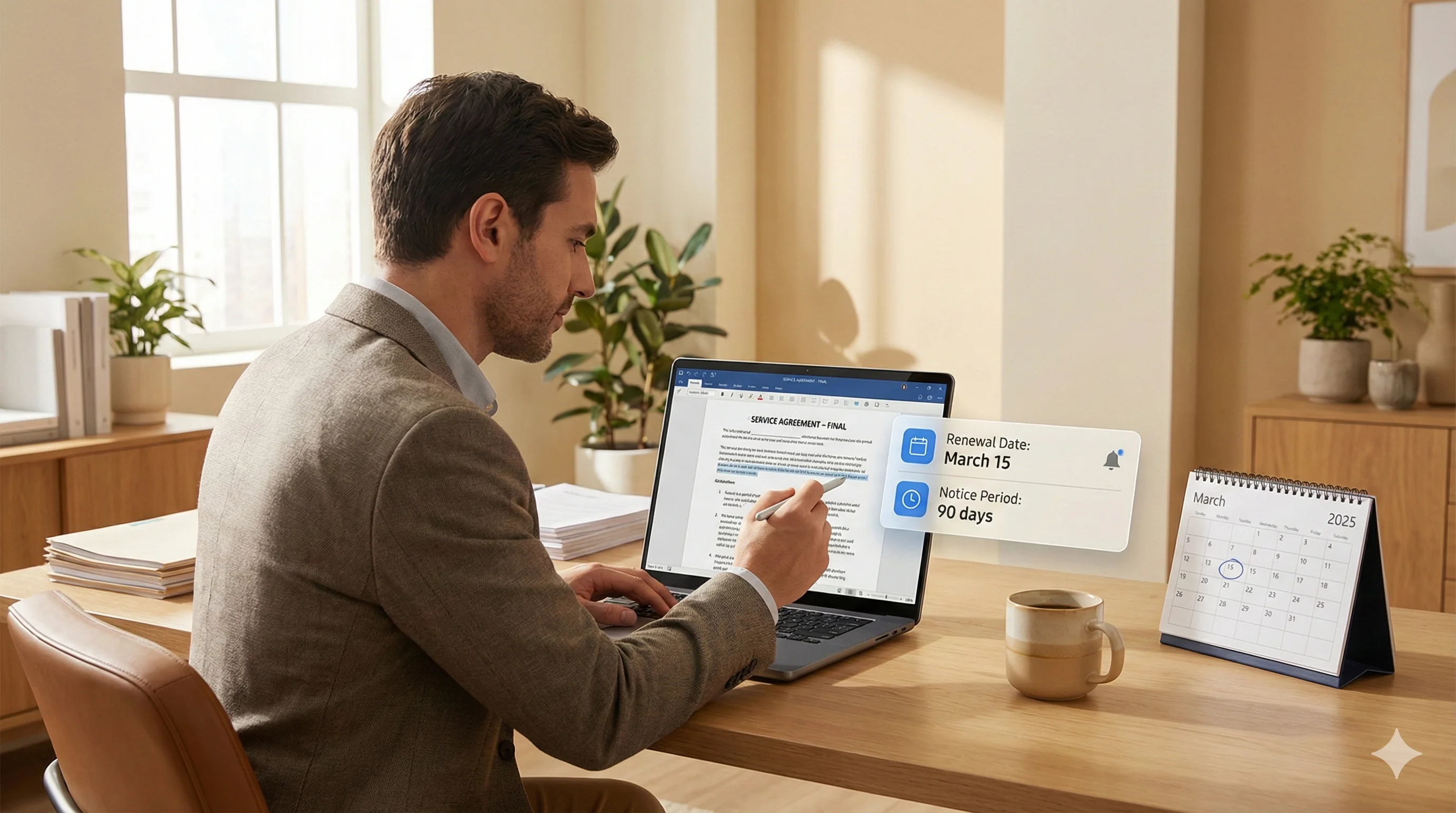
Contract management software excels at tracking renewal dates, milestone deadlines, payment schedules, and termination notice periods that are crucial for maintaining business relationships and avoiding penalties. By streamlining contract-related processes, these tools save valuable business time and reduce the administrative effort required to manage a contract. Important dates often buried in contract terms become visible through automated systems that prevent costly oversights.
Modern contract management systems like Contracko integrate with calendar applications to provide 90, 60, and 30-day renewal alerts, ensuring contract managers never miss critical deadlines. Contract management software also provides automated alerts for deadlines and facilitates collaboration in a shared digital space, making it easier for teams to stay aligned. This calendar integration transforms static contract data into actionable reminders that appear directly in daily workflows.
AI-powered extraction automatically identifies renewal clauses, notice periods, and milestone dates from contract documents, eliminating the manual work of reading through complex contracts to find essential dates.
Tracking Obligations and Deliverables
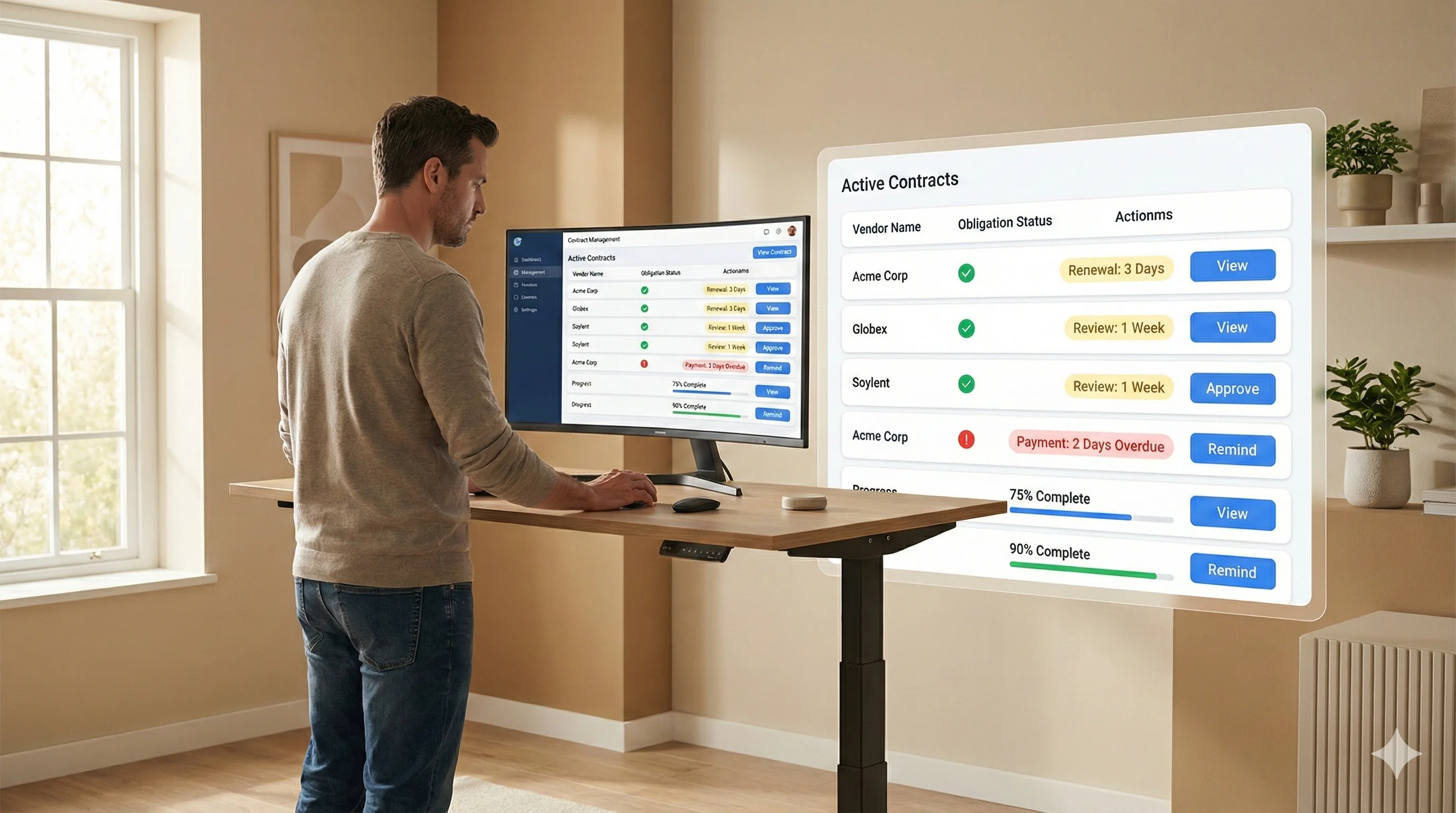
Obligation management involves monitoring deliverable schedules, performance metrics, service level agreements, and compliance requirements that define what each party must accomplish under the contract terms. Contractual obligations often span multiple departments and require coordination between various stakeholders.
Automated obligation tracking through AI analysis identifies specific commitments like “quarterly reporting requirements” or “24-hour response times” and converts them into trackable tasks. Zapier integrations enable automatic task creation in project management tools when new obligations are identified. Regular contract reviews are essential to ensure ongoing compliance and to maintain an organized record of contractual obligations.
Unlike manual spreadsheet tracking, automated systems ensure no obligation falls through the cracks while providing clear visibility into upcoming deadlines and performance requirements. Conducting regular audits helps spot and fix non-compliance issues early.
Monitoring Risks and Liabilities
Risk assessment in contract management focuses on identifying liability exposure, insurance requirements, indemnification clauses, and limitation of liability caps that could impact business operations. Legal risk often hides in standard contract language that seems innocuous but creates significant exposure.
AI-powered risk identification capabilities scan contracts for problematic patterns like “unlimited liability” or missing data protection clauses, flagging these issues for immediate attention. Risk assessment automation provides early warning systems for contracts that deviate from acceptable risk parameters, directly contributing to reducing risk by helping organizations minimize legal, financial, and compliance risks throughout the contract lifecycle.
Systematic risk monitoring helps contract managers mitigate risks before they become legal disputes or financial losses that could threaten business continuity. Monitoring contract performance against key performance indicators (KPIs) is also crucial for effective management, ensuring obligations are met and risks are proactively addressed.
Identifying Internal and External Stakeholders
Internal stakeholders include procurement teams, legal professionals, finance departments, and operations staff who each play crucial roles in contract execution and monitoring. Other departments like IT, HR, and project management may also be involved parties depending on the contract type.
External stakeholders encompass vendors, clients, partners, and sometimes regulatory bodies who must be coordinated throughout the contract lifecycle. Managing these business relationships requires clear communication channels and defined responsibilities for each involved party.
Automated intake and outtake via Zapier streamlines stakeholder communication by triggering notifications when contract events require attention, ensuring all parties involved stay informed without manual coordination efforts.
Contract Lifecycle Management
I've been thinking about how contracts actually work in practice. Contract lifecycle management is really just following a contract from when you first write it through all the back-and-forth, signing it, and then making sure everyone does what they said they'd do until it either gets renewed or ends. Each part of this process has its own problems and chances to get things right. I've learned that having a real system to handle this makes all the difference.
I break down contract management into a few key parts that I've seen work. First, you create the initial draft. Then comes negotiation, where you and the other side figure out what the terms actually mean and adjust them. After that, you execute the contract, which is just making it official. The hard part comes next - managing ongoing obligations, where you track what everyone promised to do and make sure it happens. When contracts get close to their end dates, you decide whether to renew them or let them expire based on what makes sense.
I've found that contract lifecycle management software handles most of this work for you. It automates the routine stuff, tracks important dates, and keeps all your contract information in one place. This cuts down on mistakes, helps you meet your obligations, and reduces legal risk by maintaining clear records of everything that happened. With a solid system in place, I can manage contracts more efficiently, stay compliant with requirements, and keep business relationships strong by handling every contract properly from start to finish.
Step-by-Step Contract Management Process
Building on the essential aspects identified, implementing a structured contract management process ensures consistent oversight and maximizes contract value.
-
Centralize contract storage: Store all agreements in a single, secure, and searchable repository to improve accessibility and version control. This centralization ensures that every team member can quickly locate the latest contract version and reduces the risk of lost or outdated documents.
-
Use pre-approved templates: Streamline contract creation and reduce risk by providing business teams with pre-approved templates. These standardized, ready-to-use templates enable teams to work independently while ensuring compliance with company policies.
-
Automate key date reminders: Set up automated reminders for renewals, expirations, and notice periods to avoid missed deadlines.
-
Leverage AI-powered contract analysis: Extract key metadata and obligations automatically to save time and reduce manual errors.
-
Integrate with calendars and workflows: Sync contract milestones with your team's calendar and workflow tools for seamless collaboration.
By following these steps, organizations can efficiently manage a contract from creation to renewal, minimizing risk and maximizing value.
Step-by-Step: Implementing Contract Management
When to use this: For SMEs and startups managing 10+ active contracts simultaneously who need systematic oversight without dedicated legal teams.
-
Centralize Contract Storage: Implement cloud solutions like Google Cloud integration to create a centralized repository that eliminates scattered contract files and provides secure, controlled access for authorized stakeholders.
-
Extract Key Information: Use AI analysis to automatically identify critical dates, obligations, risk factors, and stakeholder responsibilities from contract documents, converting static PDFs into structured contract data.
-
Automate Reminder Systems: Set up calendar integrations and automated alerts for critical dates including renewal deadlines, obligation due dates, and review cycles that prevent missed opportunities. Incorporate electronic signatures for secure and efficient contract execution, enabling legally binding, remote signing as part of your digital contract management workflow.
-
Establish Review Cycles: Create regular review schedules with stakeholder notification workflows that ensure ongoing contract performance monitoring and early identification of issues. Contract management software automates these processes, creating more time for high-priority tasks and saving an average of 92 minutes per contract.
-
Monitor Performance Metrics: Implement automated tracking of vendor performance, compliance status, and contract value realization with dashboard views for quick assessment of contract portfolio health.
Comparison: Manual vs Automated Contract Management
| Feature | Manual Spreadsheet Tracking | Automated AI Repository |
|---|---|---|
| Time Investment | 2-4 hours per contract monthly | 15-30 minutes setup per contract |
| Error Rate | High risk of missed dates | Near-zero missed critical dates |
| Scalability | Becomes unmanageable over 50 contracts | Easily handles hundreds of contracts, including new contracts throughout their lifecycle |
| Integration Capabilities | Limited to email reminders | Full workflow automation with existing tools |
| Cost per Contract | Hidden labor costs compound | Decreases with volume |
| Centralized Repository | Scattered files and folders | Centralized digital repository makes contracts easily searchable and organized; eliminates data silos |
Automated contract lifecycle management software provides superior accuracy and efficiency for businesses managing complex contracts or growing contract volumes. It offers a single, secure digital location for all contracts, eliminating data silos and making every contract easily searchable and organized. Manual processes remain viable for organizations with fewer than 10 simple agreements.
Contract Review Process
I've been working on contract reviews for years. The process is essential for making sure every contract actually serves your business goals and doesn't create unnecessary problems. I start by taking a close look at the initial draft. I review the proposed terms with the people involved to check if the language is clear, fair, and fits with company policies.
When I'm reviewing contracts, I work directly with the parties to negotiate changes, clarify confusing language, and fix potential issues before we finalize anything. This step matters most for spotting and avoiding problems. I make sure all the obligations are clearly defined and everyone understands what they're agreeing to.
Once negotiations are done, the contract goes through final review and approval. I often bring in legal professionals or senior management for this part. I've found that following a structured review process helps minimize risk, reduces the time I spend managing contracts later, and improves the overall quality of what we sign. This approach protects the business and builds stronger, more transparent relationships.
Common Contract Management Challenges and Solutions
SMEs and startups frequently encounter predictable obstacles in their contract management journey that can be addressed through strategic automation and process improvements. For example, in construction projects, effective contract management is crucial for overseeing contractual obligations, ensuring project goals are met, and maintaining ongoing compliance throughout the project lifecycle.
Automating contract workflows not only reduces manual errors and administrative burden, but also streamlines approvals and reminders. Integrating contract management software with other business systems ensures that contract data is synchronized across the organization, resulting in greater consistency and accuracy. This holistic approach helps teams stay organized, minimize risk, and focus on core business objectives.
Challenge 1: Missing Critical Renewal Dates
Solution: Implement automated calendar integration with multi-tier renewal alerts at 180, 90, 60, and 30-day intervals before contract expiration dates.
contract management software like Contracko helps businesses renew contracts on time by automating renewal processes and sending proactive reminders. Contracko’s AI automatically identifies auto-renewal clauses and notice periods, then creates calendar events and email reminders that escalate if not acknowledged. This automation also enables businesses to renew contracts and collect signatures efficiently, preventing missed opportunities and reducing risk of unfavorable terms.
Challenge 2: Tracking Multiple Contract Obligations Across Teams
Solution: Deploy a centralized obligation dashboard with stakeholder-specific views and automated task assignment based on responsibility matrices. Assign a contract owner and route reminders to the responsible person.
Zapier automation creates tasks in existing project management tools when obligations become due, while dashboard views show each team member only their relevant contractual commitments. This eliminates confusion about who owns which deliverables.
Challenge 3: Coordinating Between Internal and External Stakeholders
Solution: Establish automated intake and outtake workflows that notify relevant parties when contract events require attention or approval.
Google Cloud storage enables secure, controlled access for external partners while automated workflows ensure internal teams receive timely notifications about vendor communications, contract changes, or performance issues requiring response.
Conclusion and Next Steps
Systematic contract management protects business value and ensures compliance by transforming passive document storage into active oversight of critical business relationships. Effective management reduces legal disputes, captures financial opportunities, and eliminates the stress of last-minute contract scrambles.
To get started:
-
Audit Current Contracts: Identify all active agreements and extract critical dates, obligations, and stakeholder responsibilities using AI-powered analysis tools.
-
Implement Centralized Storage: Deploy a contract management system like Contracko that provides Google Cloud security with AI-powered extraction and automated workflows.
-
Activate Automation: Set up calendar integrations, Zapier workflows, and stakeholder notification systems that eliminate manual tracking and prevent missed deadlines.
-
Finalize and Execute: Ensure all parties review and sign the final version of the contract before execution to formalize the agreement and specify the effective date.
Digitalizing contracts can save time and improve access to contract information, making it easier for teams to manage a contract efficiently. Regular monitoring of contracts allows for a proactive approach to problem-solving, helping businesses address issues before they escalate.
Related Topics: Consider exploring contract renewal strategies and compliance automation frameworks to further optimize your contract management best practices and reduce administrative overhead.